Single-Estate vs Supermarket Olive Oil: Is the Price Difference Worth It?
October 10, 2026 - Olive Oil
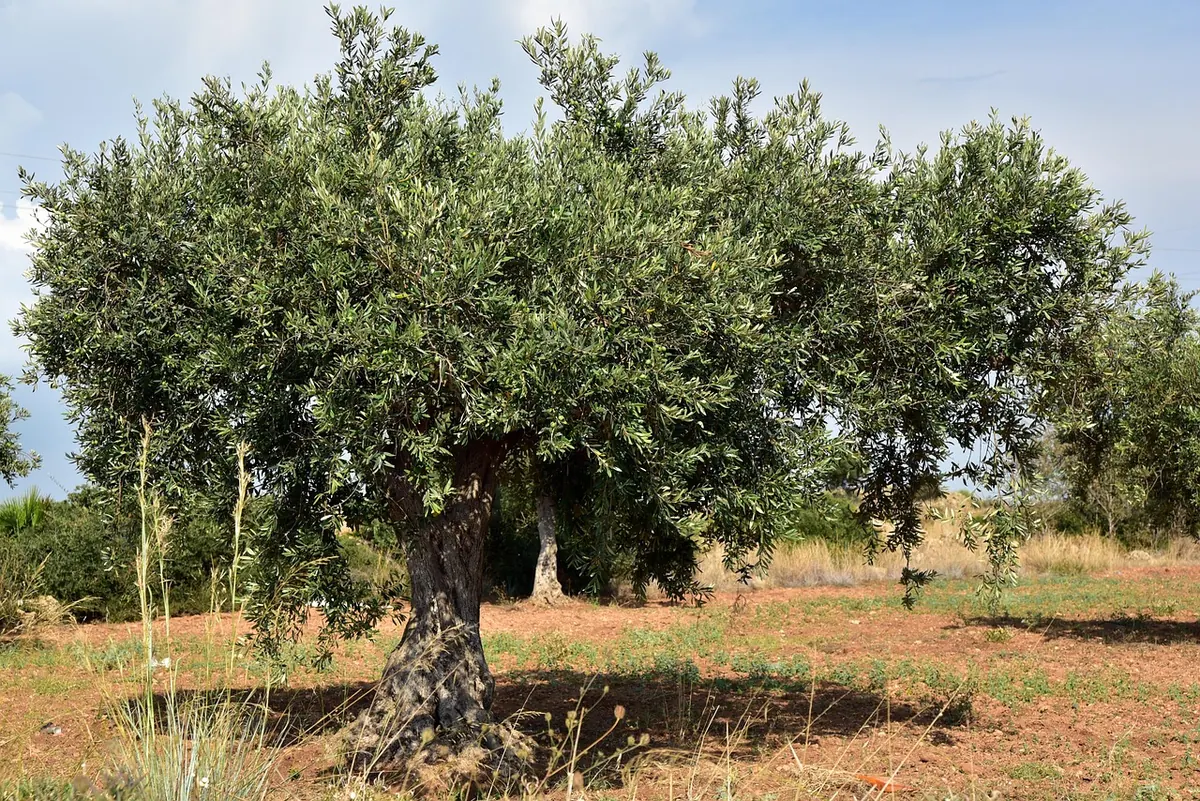
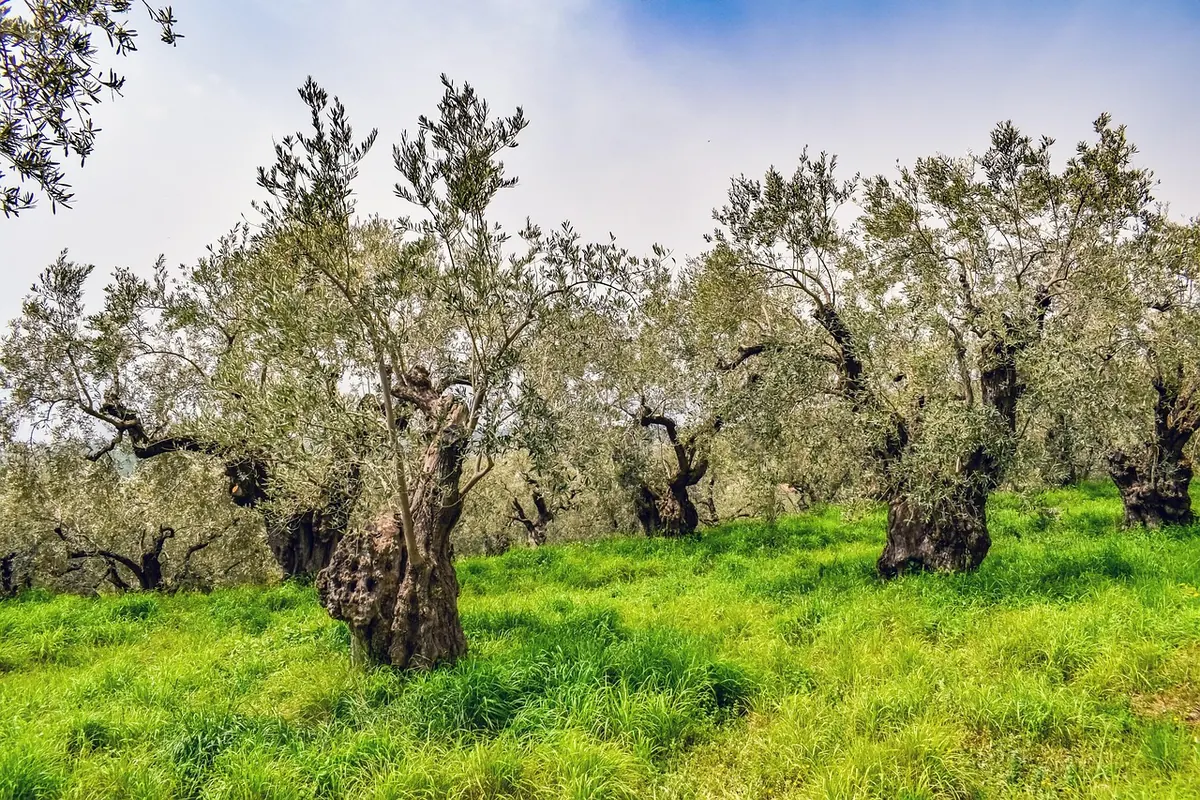
In a good olive grove, the work is timed to the week, not the month. Pick too early and the fruit clings to the branch, yielding little oil; leave it too long and the flavour turns flat, the flesh soft and the acidity creeps up. Extra virgin olive oil is not simply the first oil that comes out of a press. It is the result of a short, careful chain of decisions — harvest, transport, milling, malaxation, extraction and storage — where every hour and every degree matters. Walk through that chain and you begin to understand why two bottles from the same region can taste so different.
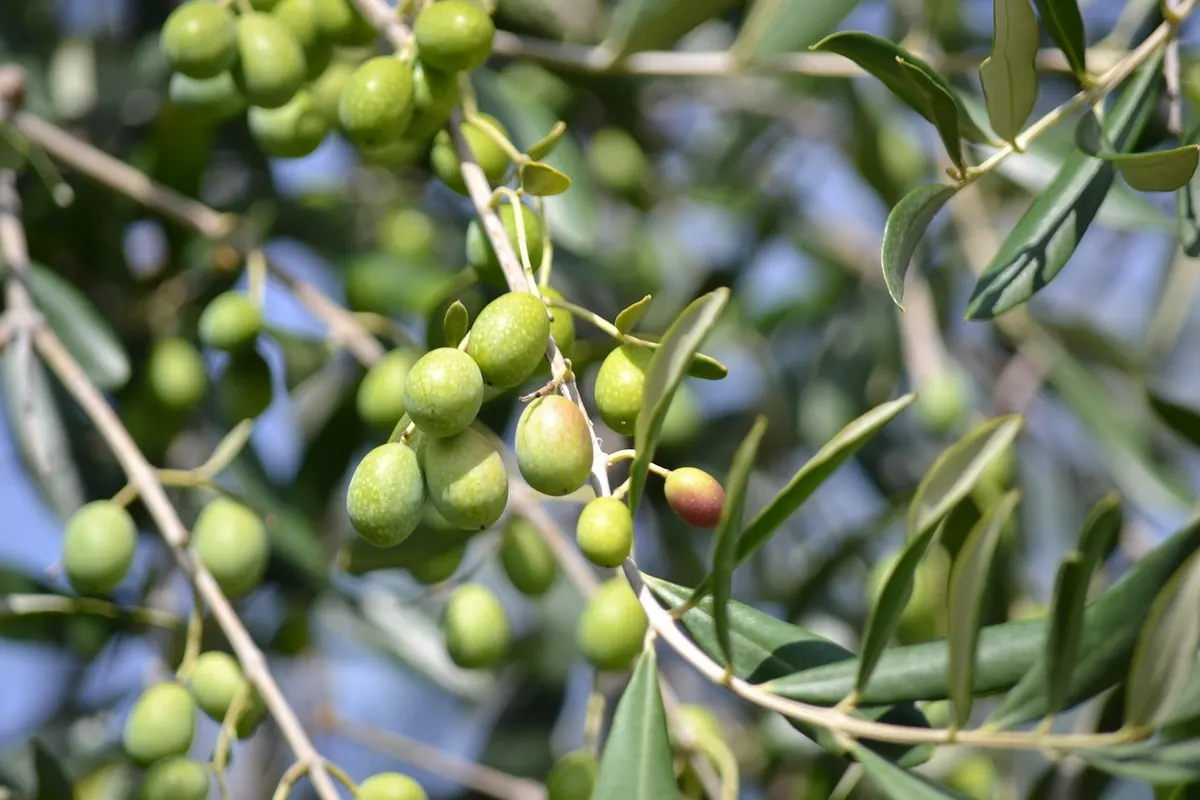
Olives for oil are picked in autumn and early winter, depending on variety and climate. The fruit changes from bright green to purple, then to black, and the flesh gives slightly when squeezed. Growers often harvest while many olives are still green or just turning, because that stage tends to give a peppery, grassy oil with good structure. Waiting longer can produce a softer, rounder oil, but also lower polyphenols and a shorter shelf life. There is no single perfect moment. Taste, weather and the condition of the grove all play a part.
Methods vary. On small plots, hand-picking or gentle raking onto nets protects the fruit. Larger groves use mechanical shakers that grip the trunk or branches and vibrate the olives loose. Whatever the method, the aim is the same: get the olives off the tree without bruising them. A bruised olive starts to oxidise immediately, and that shows up later as a muddy or stale note in the oil.
Once picked, olives should reach the mill as quickly as possible — ideally within a few hours. They are living fruit, and they degrade in heat, in deep sacks and in the back of a warm vehicle. Good practice is to collect them in shallow, ventilated crates rather than heavy sacks, keep them cool and out of direct sun, and avoid stacking them so high that the lower fruit is crushed.
At the mill, the first jobs are cleaning and separation. Leaves, twigs and dirt are removed, and the olives are washed in clean water. This sounds basic, but it matters: leaves can add bitterness, and soil can carry flavours you do not want. From here, the clock is still running. The sooner the fruit is milled, the fresher the oil.
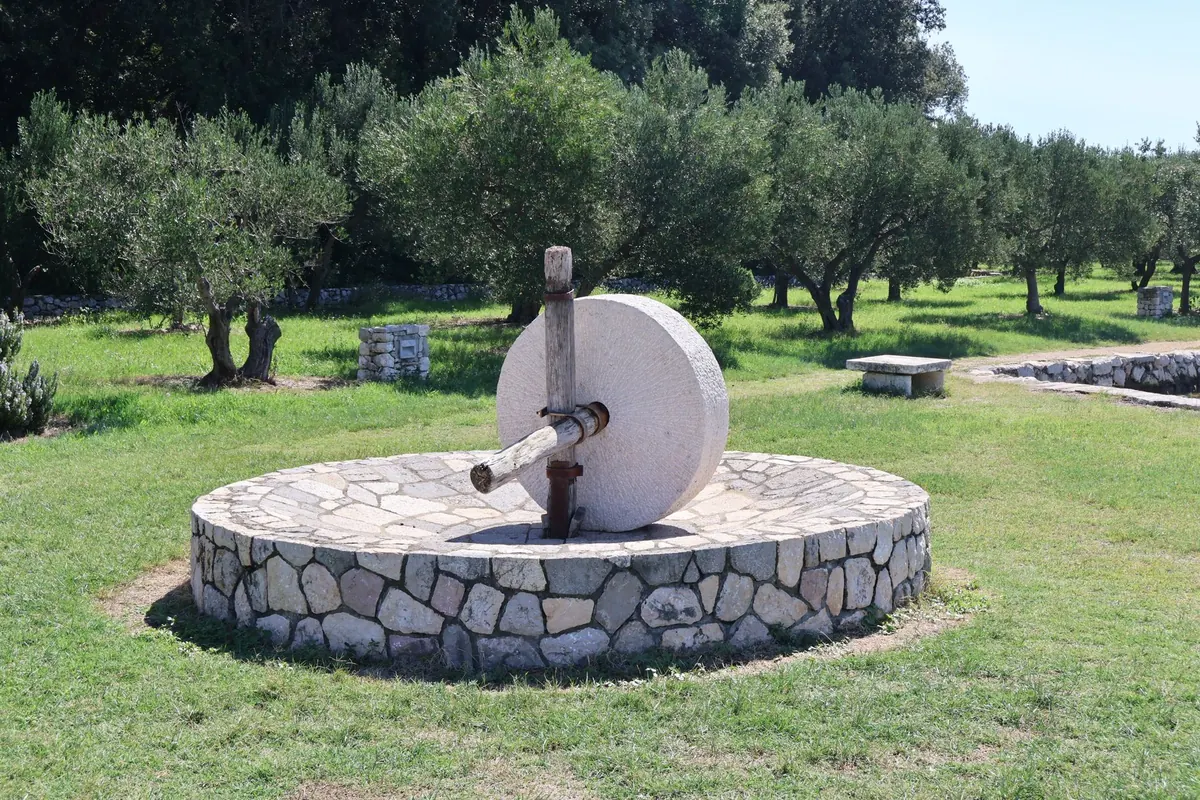
Milling turns whole olives into a paste. Traditional stone mills use a heavy granite wheel to crush the fruit slowly. Modern mills use hammer crushers or disc mills, which are faster and often run with less oxygen exposure. Both approaches can make excellent oil. The key is control: sharp blades, clean equipment and a paste that is not overheated.
Stone mills are gentle and romantic, and they can produce oils with a particular texture and complexity. Modern mills are more precise, easier to clean and better suited to large volumes. Neither guarantees quality on its own. A poorly maintained stone mill will taint the oil; a modern mill run too hot will strip away aroma. What matters is that the paste moves quickly from milling to the next stage.
Malaxation is the step most people have never heard of, yet it shapes the final oil. The paste is stirred slowly in a stainless steel tank, usually for twenty to forty minutes. This gentle kneading allows tiny oil droplets to merge into larger ones that can be separated. It also lets enzymes and oxygen interact, which builds aroma — but too much time or heat can dull the flavour and increase oxidation.
Temperature is the critical variable. Many producers keep the paste below 27°C to qualify as cold extracted. Cooler malaxation tends to preserve fresh, green notes and polyphenols, while a warmer, longer mix may extract more oil at the cost of finesse. There is a trade-off between yield and quality, and every mill makes its own choice. For a reader buying oil, the useful clue is simple: oil described as cold extracted was probably handled with more care at this stage.
After malaxation, the paste is separated into oil, vegetable water and solid pomace. Traditional presses stack the paste in mats and squeeze it. Most modern mills use a centrifugal decanter, which spins the paste at high speed. Two-phase decanters produce a wet pomace and less water; three-phase systems add water to help separation. Each method has trade-offs in water use, waste and the way flavour compounds survive.
The oil that comes out is not yet finished. It may be filtered to remove fine particles and moisture, or left unfiltered and allowed to settle. Unfiltered oil can taste lively and rustic, but it also has a shorter shelf life because sediment continues to ferment and oxidise. Filtered oil is clearer and more stable, though some producers argue it loses a little character. Either way, the oil should be stored away from light, heat and air from the moment it leaves the mill.
Extra virgin olive oil is perishable. It does not improve with age like wine; it fades. Light speeds up oxidation, heat accelerates it, and air slowly turns freshness into a flat, waxy note. Good storage is therefore part of production, not an afterthought.
If you decant oil into a pretty bottle for the table, keep the original container in the dark and refill the small bottle often. And do not worry about a little sediment in a young, unfiltered oil — it is a sign of freshness, not a fault. Just use that bottle first.
You do not need to know every mill setting to choose good oil, but understanding the journey helps you read a label and taste with more confidence. Look for a harvest date, a named producer or region, and a style that suits what you cook. A peppery early-harvest oil is brilliant raw over beans, bread or grilled vegetables. A milder oil can be easier for baking or everyday cooking.
At home, treat the bottle as you would fresh produce. Keep it cool and dark, use it within a few months of opening, and taste a spoonful now and then. If it smells of crayons, stale nuts or wet cardboard, it has gone past its best. If it smells green, grassy or faintly of artichoke, you are probably onto something good. The best extra virgin olive oil is not the one you save for guests. It is the one you actually use, often, while it still tastes of the grove it came from.
Photo: Tom79 / Pixabay
Single-estate olive oil costs far more than a supermarket bottle, but the difference shows mainly in freshness and...
A region-by-region tasting tour of Italian, Spanish and Greek olive oils, with flavour notes, traditional pairings...
Copyright © 2026 Olive Point. All Right Reserved.