Single-Estate vs Supermarket Olive Oil: Is the Price Difference Worth It?
October 10, 2026 - Olive Oil
Put two olive oils from different shores on the same table and the difference is immediate. One is green and peppery enough to make you cough; the other is round, soft and almost sweet. Neither is better. They simply belong to different landscapes, different cultivars and different kitchens. Buying a small bottle from each of Italy, Spain and Greece, plus a loaf of good bread, will teach you more about olive oil than any label ever could.
Olive oil is agricultural, not manufactured. Three things do most of the work: the variety of olive (there are hundreds across the Mediterranean), the climate and soil it grows in, and when the fruit is picked.
Harvest timing matters enormously. Olives picked early, while still green, give oil that is grassy, bitter and pungent — that tickle at the back of your throat is a sign of fresh polyphenols. Fruit left to ripen longer yields softer, milder oil with gentler aromas. Milling quickly after picking, ideally within hours, keeps the result clean and lively. Anything grassy, artichoke-like or almond-scented in your glass comes from the fruit itself, not from flavourings.
Italy is a patchwork. Ask for "Italian olive oil" and you might get anything from a pale, delicate Ligurian oil to a fierce, bitter Puglian one.
Liguria's Taggiasca olive gives a light golden oil with notes of almond and artichoke. It is gentle enough for grilled fish, fresh focaccia and, of course, pesto, which was invented in the region for exactly this reason. Tuscan oils, built on Frantoio, Leccino and Moraiolo olives, are greener and more assertive: cut grass, raw artichoke, a firm peppery finish. They stand up to ribollita, bruschetta with white beans, and a simply grilled steak.
Puglia produces a great deal of Italy's oil, much of it from Coratina, a variety with real bite. Expect bitterness and a lingering peppery catch — perfect over orecchiette with cime di rapa, puréed beans or roasted vegetables. Sicilian oils, often from Cerasuola or Nocellara del Belice, tend to be herbaceous with a tomato-leaf freshness that suits caponata and grilled seafood.
Spain is the world's largest producer, and its oils are often better value than their reputation suggests. Andalusia dominates, but the variety of olive changes everything.
Picual, grown around Jaén, is robust and slightly bitter with a strong peppery finish, and it keeps remarkably well — a sensible choice for cooking and frying. Hojiblanca is greener and rounder, with almond and a soft finish that works raw over bread. Arbequina, widespread in Catalonia and Aragón, is mild, buttery and faintly sweet; it is the oil to reach for when you do not want the oil to dominate. Cornicabra from Castilla-La Mancha sits somewhere in the middle, often with a pleasant bitterness.
Traditional Spanish dishes show how naturally oil doubles as seasoning: pan con tomate rubbed with garlic and tomato, gazpacho, tortilla española, pisto, and fried fish where the oil is judged on how cleanly it cooks.
Greek cooking uses olive oil generously, as both a cooking medium and a finish. Koroneiki is the dominant variety, particularly in the Peloponnese and on Crete, and it usually delivers a vivid green oil with grassy, herbal aromas and a firm bitter edge. Kalamata olives give a similarly robust oil, often with a ripe, fruity character.
This is oil for ladera dishes — vegetables braised slowly in oil — for boiled greens dressed at the table, for fava, dolmades, and a bowl of tomatoes with feta and oregano. The bitterness that might feel aggressive on its own makes sense against sharp cheese, lemon and herbs.
Keep it simple and take your time. You are looking for differences, not a winner.
The most reliable principle is to match intensity with intensity. Delicate oils — Arbequina, Taggiasca — flatter fish, eggs, mozzarella and raw vegetables, where a bitter oil would overwhelm. Robust oils — Coratina, Picual, Koroneiki — belong with bitter greens, pulses, grilled meat and tomatoes, and they hold their character in cooking.
Use your best oil raw: drizzled over finished dishes, stirred into soups, spooned over bread. Use the more straightforward bottles for roasting and frying, where subtle aromas disappear anyway.
Freshness, not fashion, is the best guide to a good bottle.
Buy smaller bottles — 250ml or 500ml — from a shop that lets you taste before you buy, or order one each from a Spanish, Italian and Greek producer. Look for a harvest date rather than a vague "best before", and favour dark glass. Store bottles closed, cool and away from light and the hob; heat and sunlight flatten aromas faster than anything else.
Once opened, use the oil within a few months and taste it again after a fortnight to see how it has settled. Olive oil is a fresh product, closer to fruit juice than to vinegar, and it will quietly fade.
Then cook something from each country in turn: a bowl of beans with Greek oil, bruschetta with a Tuscan bottle, pan con tomate with a Picual. The oil stops being an ingredient and becomes the point of the meal. Olive oil is a food, and general dietary advice is exactly that — general. If you have specific dietary concerns, speak to a qualified health professional.
Single-estate olive oil costs far more than a supermarket bottle, but the difference shows mainly in freshness and...
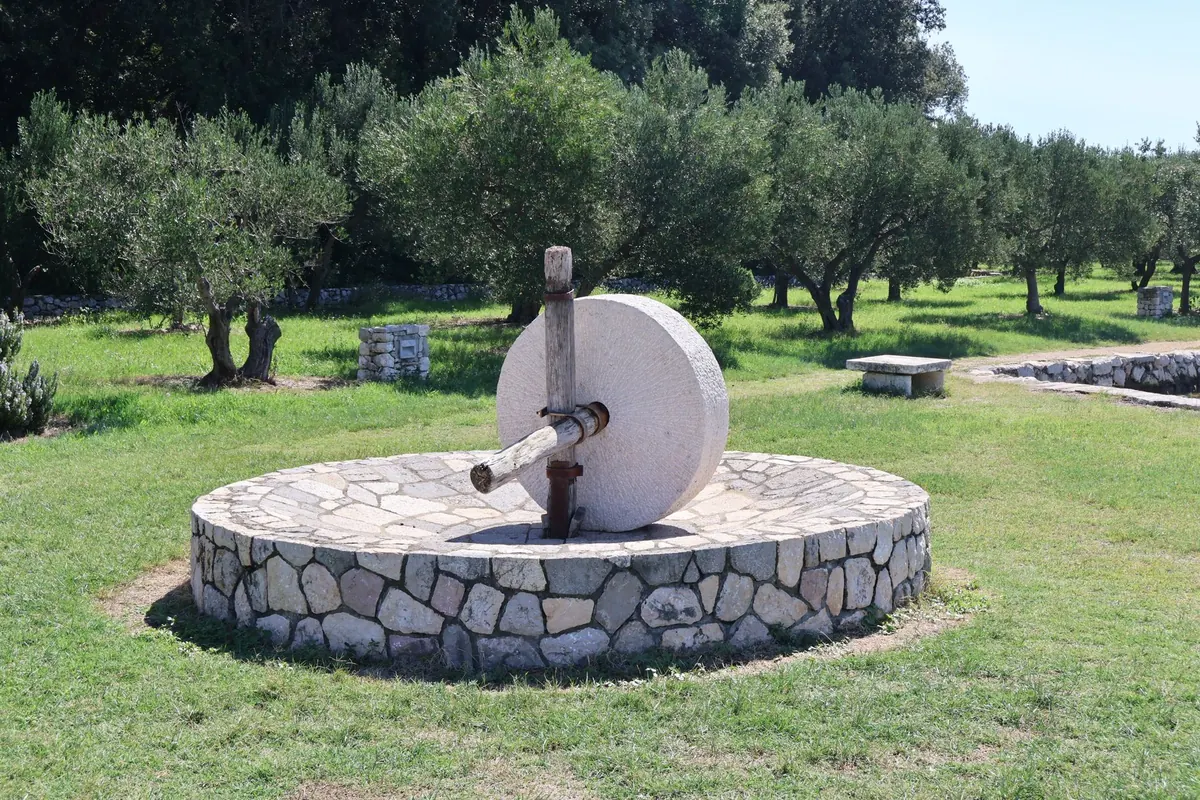
Olive oil has been lamp fuel, medicine, tax and sacred offering for thousands of years. Trace how it moved from...
Copyright © 2026 Olive Point. All Right Reserved.