Single-Estate vs Supermarket Olive Oil: Is the Price Difference Worth It?
October 10, 2026 - Olive Oil
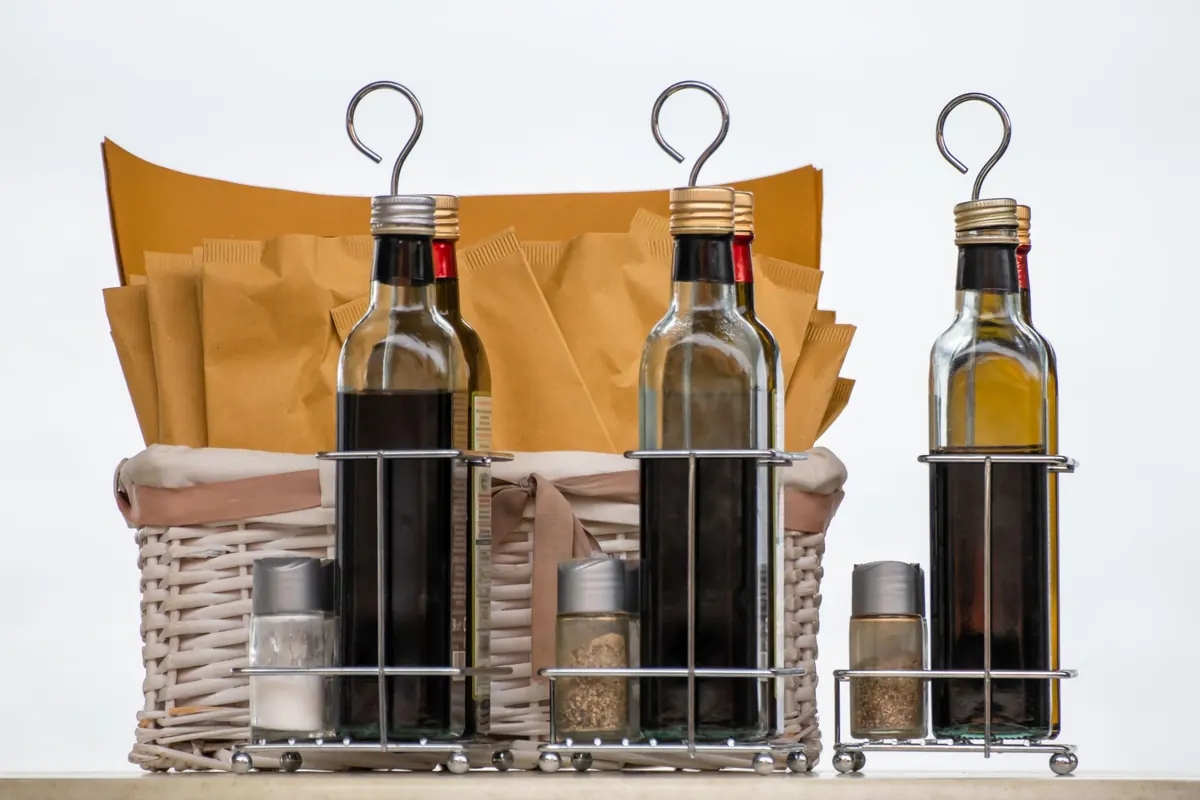
Walk into a supermarket and you can pick up a litre of olive oil for less than the price of a sandwich. Order a single-estate bottle from a small producer and you might pay several times as much for half the volume. Both are made from olives. Both are, technically, olive oil. So what separates them, and does the price gap show up in the glass?
The honest answer is that it sometimes does, and how much it matters depends almost entirely on what you are doing with the oil. The rest of this piece is about working out which case you are in.
Supermarket own-label oil is usually a blend. Olives are grown across several countries, pressed locally, and the oil shipped in tankers before a buyer assembles something consistent — a product that tastes much the same in March as it did in October. That consistency comes from scale: large groves, mechanical harvesting, bulk storage, bottling scheduled around retail needs.
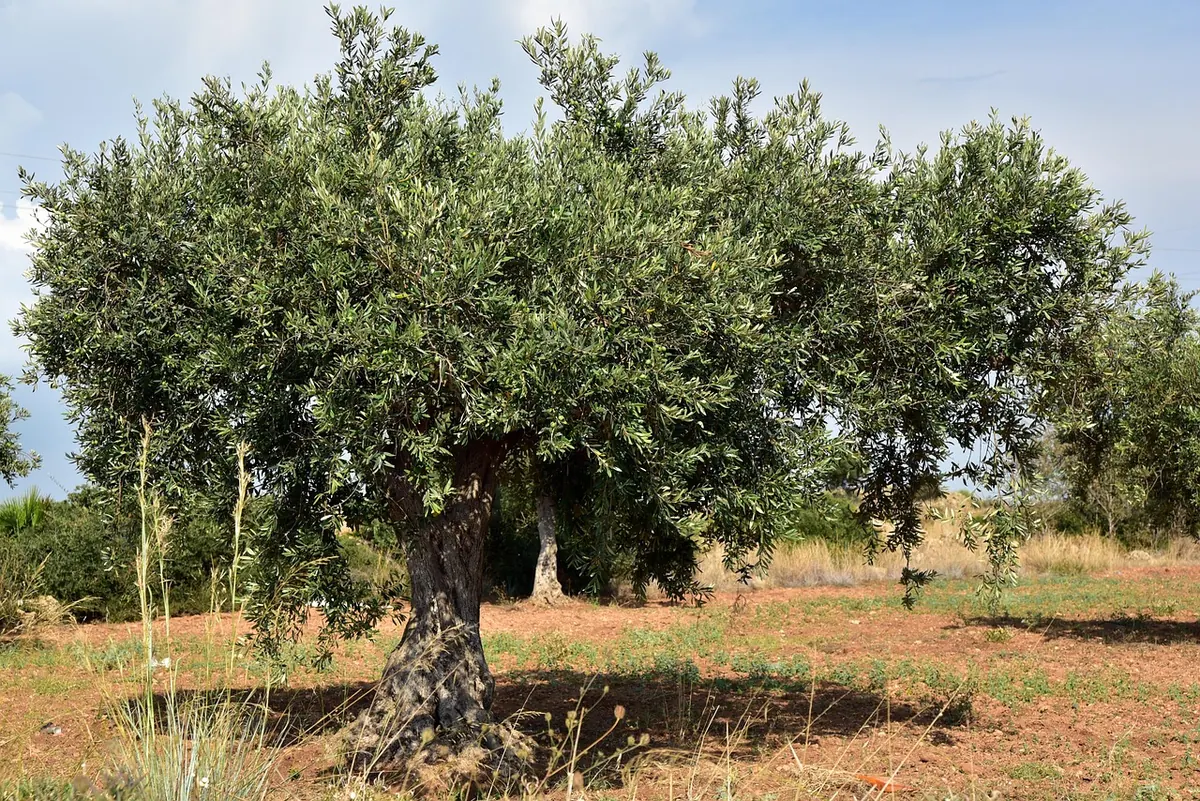
A single-estate oil comes from one farm, often a family operation on hilly ground where machines struggle to go. Olives are picked by hand or with small tools, milled the same day, and pressed within hours. Yields are lower, labour is higher, batches are small. The oil is bottled in dark glass, a tin or a box, and labelled with the grove, the variety and the harvest date.
None of that guarantees a better oil. What it does mean is that you are paying for fewer compromises.
"Extra virgin" is a grade, not a personality. It tells you the oil was extracted mechanically and met a defined standard for acidity and sensory quality. It says nothing about which farm it came from, how old it is, or whether anyone chose those olives with flavour in mind.
Provenance is where the two categories diverge. A single-estate bottle usually names a place and a person: a mill in Puglia, a co-operative in Crete, a grower in Andalusia. Many sell direct, by harvest year, in quantities the farm can actually account for. A supermarket blend often lists several countries, or the vaguer "blend of EU and non-EU oils". Read carefully, too: "packed in Italy" is not the same claim as "produced in Italy".
Olive oil is fruit juice. It is at its most vivid in the months after pressing, when bitterness and the peppery catch at the back of the throat are strongest. Those qualities fade with time, and they fade faster with heat, light and air. Oil does not spoil dangerously the way milk does; it simply loses the things you paid for.
This is where a lot of supermarket oil quietly disappoints — not because it is badly made, but because it has spent a long time in transit, in a warehouse and on a shelf. A two-year-old oil, even a good one, tastes soft and flat. A badly stored one tastes of stale nuts and crayons and dulls everything it touches.
A single-estate bottle with a recent harvest date is where your money goes furthest. Keep it in a cool, dark cupboard rather than beside the hob, and buy a size you will finish within a few months of opening.
Blended supermarket oils are deliberately mild: built to be inoffensive, which makes them useful and unexciting in equal measure. Single-estate oils tend to have more character — green tomato, artichoke, cut grass, almond, sometimes a faint banana note in riper styles. You notice it most on plain things: a sliced tomato, a piece of bread, a bowl of white beans. Strong, peppery oils can even seem too much for a delicate dish, which is worth knowing before you spend.
Per litre, the price difference looks brutal. Per plate, it is smaller than you would think. Finishing oil goes on a teaspoon at a time, and because it carries more flavour you tend to use less. A bottle kept for drizzling can last a couple of months in a normal kitchen without any sense of rationing.
Most well-stocked kitchens end up wanting both. The trick is knowing which is which.
Buy one decent mid-priced bottle for cooking and one single-estate bottle for finishing. Replace both regularly rather than hoarding a large tin for years. If a bigger tin works out cheaper, decant a small bottle for the worktop and keep the rest sealed, cool and dark.
If you are new to estate oils, start with a half-litre of something carrying a recent harvest date. Taste it on a spoon, then on bread, then on a tomato, and see whether you notice the difference. If you do not, buy the cheaper bottle without guilt. Paying more only makes sense for flavour you can actually taste.
Photo: Birgit Frobauer / Pexels
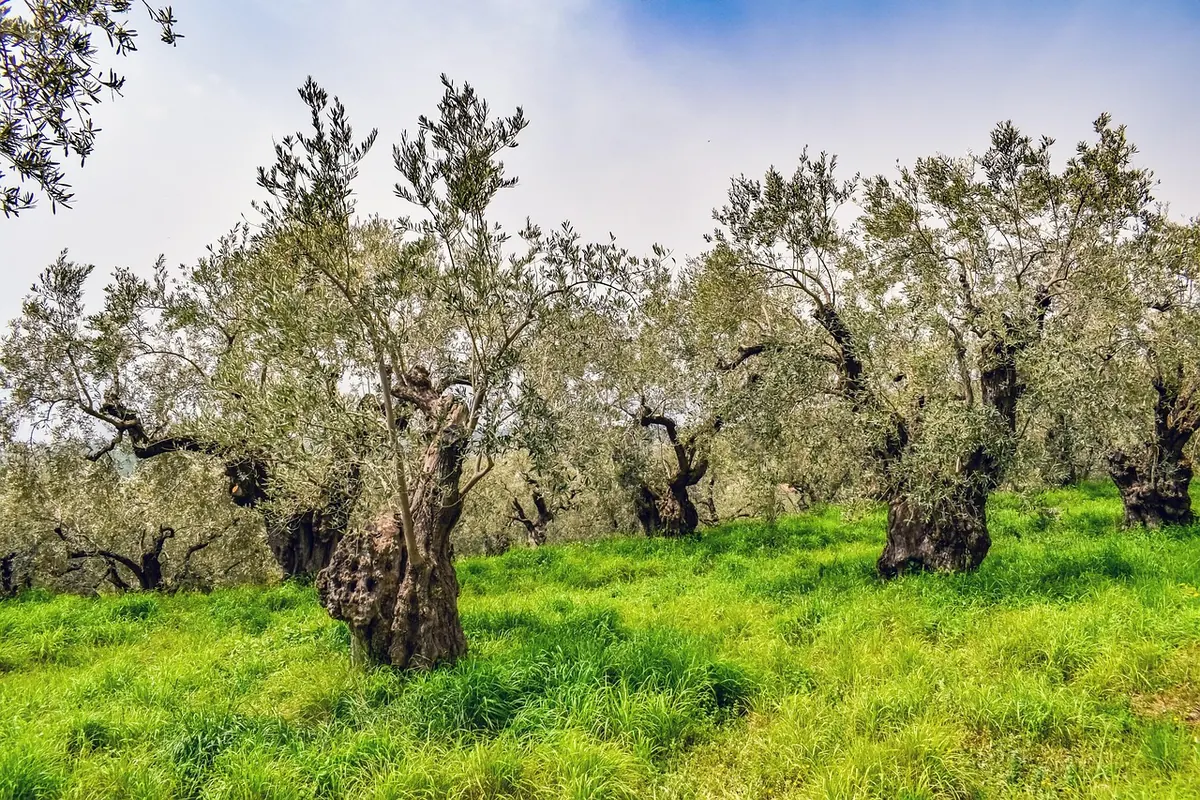
A region-by-region tasting tour of Italian, Spanish and Greek olive oils, with flavour notes, traditional pairings...
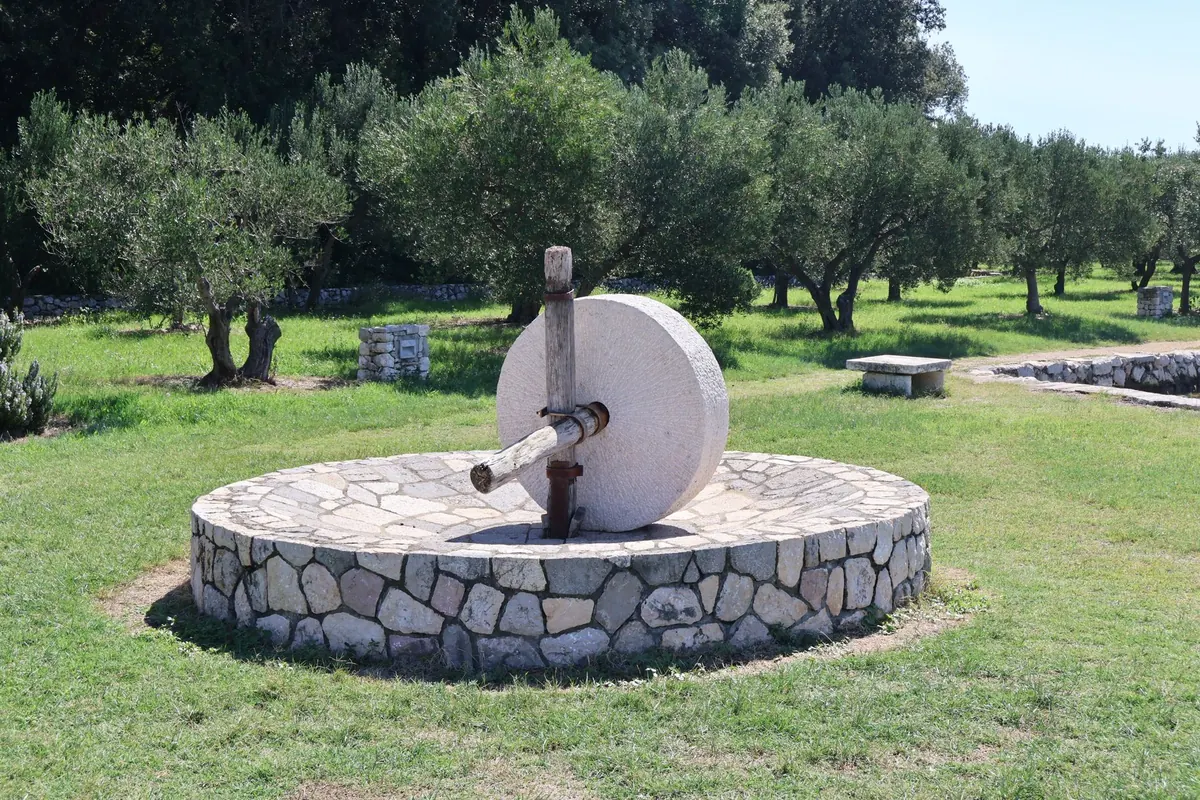
Olive oil has been lamp fuel, medicine, tax and sacred offering for thousands of years. Trace how it moved from...
Copyright © 2026 Olive Point. All Right Reserved.