Single-Estate vs Supermarket Olive Oil: Is the Price Difference Worth It?
October 10, 2026 - Olive Oil
Long before it became a supermarket category, olive oil was lamp fuel, a wound dressing, a wage and an anointing. It crowned athletes, settled taxes, lit temples and kept bread from drying out. The same oil you now drizzle over tomatoes has spent several thousand years doing far more urgent work, and knowing a little of that history makes the bottle on your counter more interesting — and easier to use well.
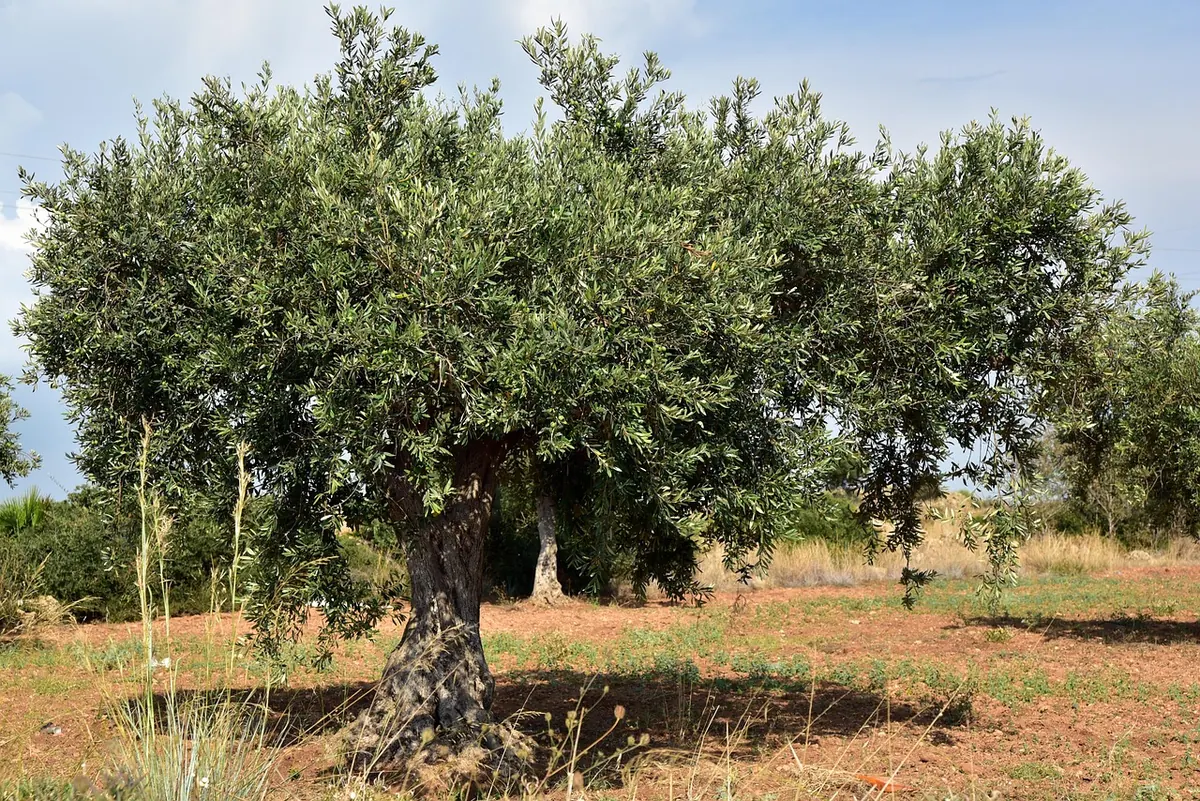
The olive is a stubborn tree. It wants poor, stony soil, a long hot summer and a cold snap in winter to set fruit properly, and it will sulk for years before it gives you anything worth pressing. The wild ancestor, the oleaster, still grows around the eastern Mediterranean, and the first cultivated groves appeared in that region several thousand years ago, spreading west with traders and settlers through Greece, Italy, North Africa and the Iberian peninsula.
What made the tree worth the wait was the oil. Ripe olives are bitter and unpleasant straight from the branch; the fat inside them, by contrast, is stable, easy to store and useful for almost everything. Press the fruit and you have something you can eat, burn, trade, pour over a wound or use to wash with. Few crops have ever offered so much in one package.
Written records catch up with the habit early. Clay tablets from Bronze Age Crete and the Greek mainland list deliveries of olive oil to palaces, along with the rations handed out to workers. Oil was already being counted, named and allocated, which tells you how central it had become.
In the ancient Mediterranean, olive oil was rarely just food. It belonged to the sacred world first, and the kitchen second.
Light was part of it too. Before electricity, a clean-burning oil that produced a steady flame was a precious commodity, and olive oil was one of the best available.
Classical physicians wrote about olive oil constantly. Hippocratic texts recommend it in mixtures for wounds, skin complaints and digestion, and later writers such as Dioscorides and Galen catalogued preparations combining it with herbs, resins and wax. Some of that was guesswork; some of it was the reasonable observation that a clean, soothing fat applied to a scrape does no harm and may help.
Roman athletes followed a routine that would look eccentric now: oil the body, exercise, then scrape the mixture of oil, dust and sweat off with a curved metal strigil. The bathhouse ritual made olive oil a daily domestic essential rather than a luxury.
It also became the base of early soap. Aleppo soap, Castile soap and Marseille soap all relied on olive oil, and versions of them are still made and sold today. An ingredient used for anointing, lighting and cleaning has had a remarkably long career.
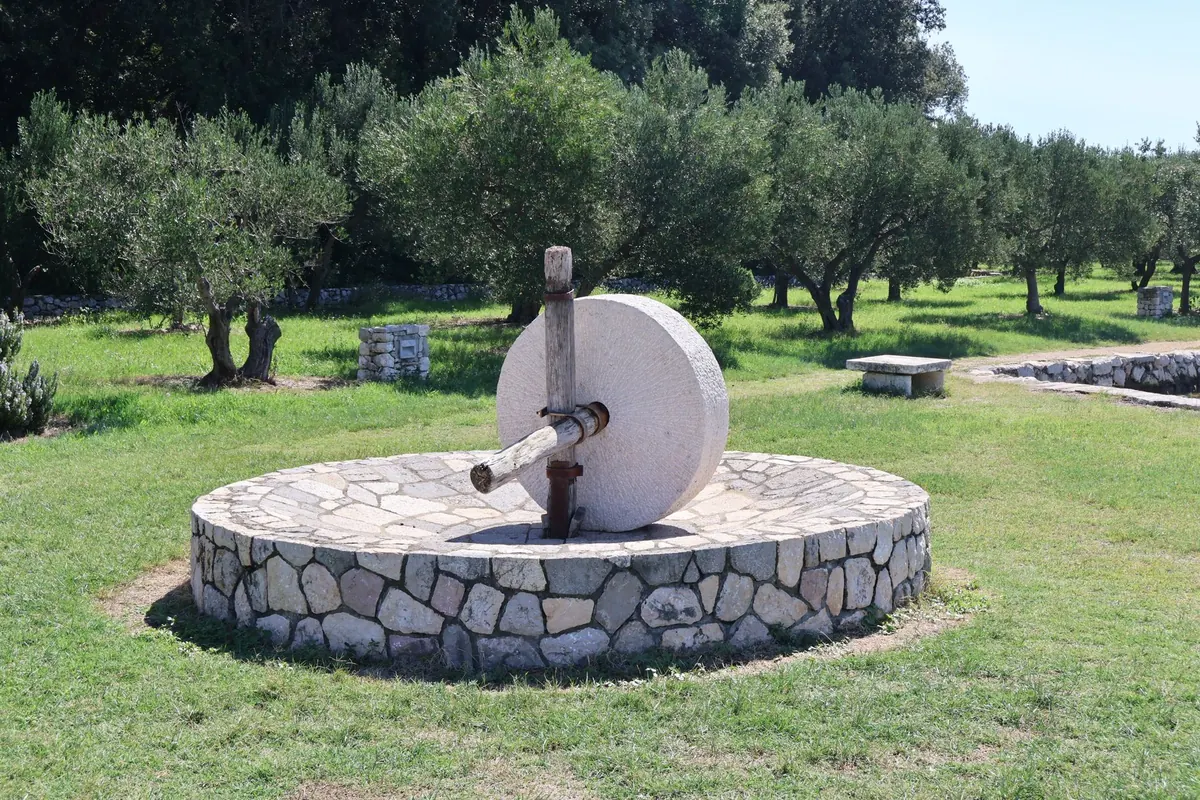
Olive oil built shipping routes. Oil travelled in amphorae — shaped for stacking, sealed for the journey — from Baetica in southern Spain, from North Africa, from the Aegean islands and from the Adriatic. It was taxed, tithed, given as tribute and used to pay people. One hill in Rome, Monte Testaccio, is essentially a man-made mound of broken oil amphorae, discarded over centuries of imperial demand.
That trade was also fragile. When the western empire fragmented, long-distance shipping became harder and olive growing retreated towards the Mediterranean coast where the climate suited it. Northern Europe turned to butter, lard and dripping, and olive oil became a regional ingredient rather than a universal one.
Two things kept olive oil in daily use through the Middle Ages. The first was geography: in Greece, Italy, Spain, southern France and the Levant, the tree simply grew, and cooking followed what grew. The second was religious fasting. On designated days, animal fats were off the table in Christian, Jewish and Muslim practice, and oil took their place — in dressings, in fried pastries, in bread doughs and in the pot.
The modern revival came in waves. Migrants from Italy, Greece, Cyprus, Spain and Turkey brought their cooking with them through the twentieth century, and small delis and Italian grocers kept proper oil available long before it reached every supermarket shelf. Interest in the Mediterranean way of eating pushed it further into the mainstream, and trade rules formalised the language we now take for granted — extra virgin, virgin, pomace — with clear definitions of how each is made.
The newest chapter is closer to home. Commercial groves have taken root in Kent, Sussex, Devon and Cornwall, usually picked early and pressed quickly, which tends to give a grassy, peppery oil with a green tint. A crop that once defined the Mediterranean rim is now grown on British slopes, in small quantities and at prices that reflect the work involved.
The history is charming, but the practical questions in the shop are simpler. Here is what actually matters:
The most common mistake is treating good oil as a dressing-only ingredient. It is a cooking fat first and a finishing oil second. Use it to roast vegetables at high heat, to sweat onions, to fry eggs, to bake cakes in place of butter, and to finish lentils, beans, soups and bread. Keep a workhorse oil for everyday heat and a more assertive one for pouring over finished plates.
Then use more than you think. A generous hand is what makes the difference in Greek salads, Spanish bean dishes and Italian soups, and it is how most of the Mediterranean has always cooked. Olive oil is the main fat in diets that researchers associate with good cardiovascular health, though no single ingredient explains that, and anyone managing a specific condition should take advice from a doctor or dietitian rather than a website.
Four thousand years of lamp fuel, medicine and sacred anointing, and it still comes down to this: a warm pan, a slick of oil, and a moment's patience before the onions soften. That is the tradition, and it is not difficult to join.
Photo: Carel Voorhorst / Pexels
Single-estate olive oil costs far more than a supermarket bottle, but the difference shows mainly in freshness and...
A region-by-region tasting tour of Italian, Spanish and Greek olive oils, with flavour notes, traditional pairings...
Copyright © 2026 Olive Point. All Right Reserved.