Single-Estate vs Supermarket Olive Oil: Is the Price Difference Worth It?
October 10, 2026 - Olive Oil
Buying olive oil online can feel like a gamble. You cannot smell the oil, taste it, or check the bottle in your hand. But with a few checks, you can improve your chances of getting a fresh, well-made oil that actually tastes like something. Many UK shoppers end up with a bottle that is technically fine but tastes of almost nothing: flat, greasy and forgettable. The good news is that most of the clues are on the label or the product page, if you know where to look. Here is a practical checklist to run through before you click buy.
Keep these ten points in mind when you shop. Each one is covered in more detail further down.
Olive oil is a fresh product, not a wine that improves with age. The harvest date tells you when the olives were pressed. That matters more than the best before date, which is often set two years after bottling. An oil can be technically safe to eat long after its flavour has faded.
Look for a specific month and year, such as "Harvested November 2024". If the seller only shows a best before date, ask for the harvest date. A reputable seller will know. If it is summer 2025, you want oil from the most recent harvest, which for the Northern Hemisphere is late 2024 or early 2025. Oil from the previous year may still be good, but it will be less vibrant.
Consider two bottles sitting side by side in the same online shop. Both list a best before date of 2027. One was pressed in November 2024; the other in December 2022. On paper they look identical. In the glass, the first is grassy and peppery, with a tickle at the back of the throat. The second is dull and slightly waxy. The harvest date is the only thing that separates them.
Fresh oil has more polyphenols and a livelier taste. Those characters fade over time, and no amount of careful storage will bring them back. You are not just buying calories; you are buying flavour, aroma and the antioxidants that make olive oil worth the money. So treat the harvest date as your first filter. If everything else is equal, always pick the newer oil.
If you cannot find a harvest date, send a quick email before you buy. Ask plainly: "When were the olives harvested and pressed?" If the answer is vague, or takes three days to arrive, shop elsewhere. There are plenty of sellers who are proud of their dates.
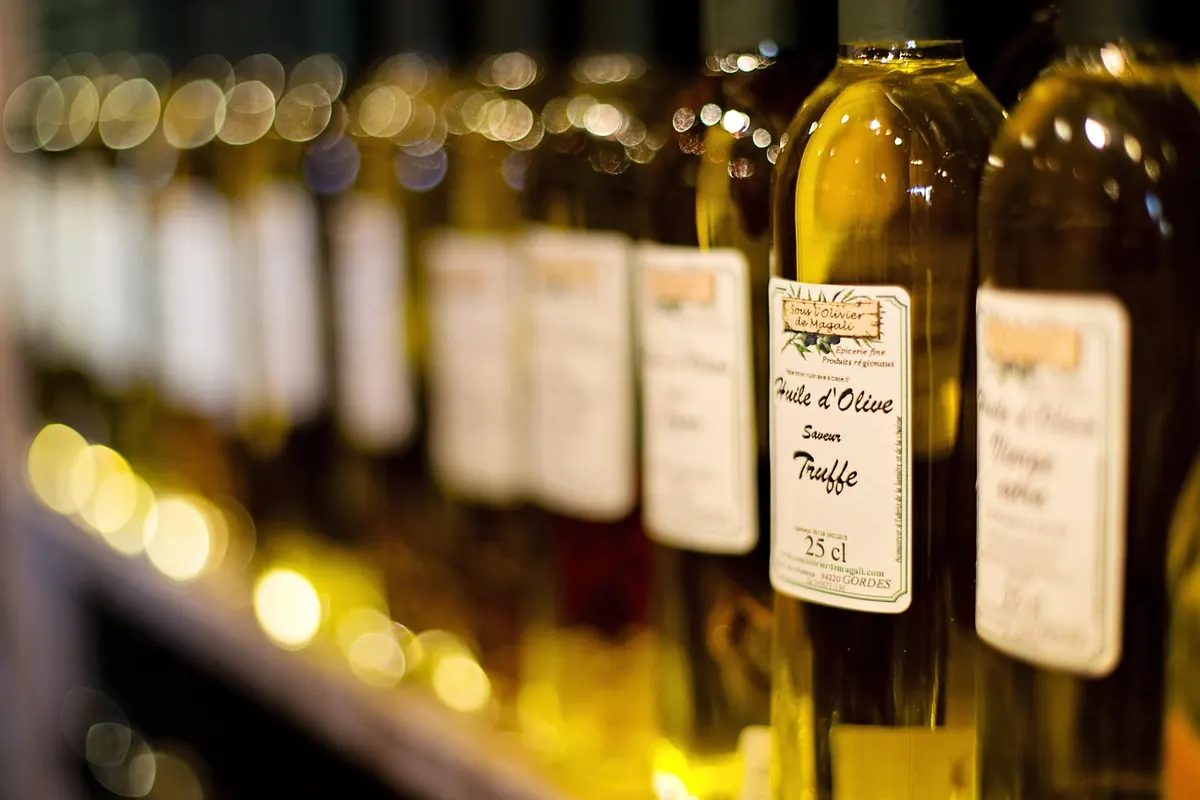
Light and heat are the enemies of olive oil. Clear glass on a sunny shelf will damage the oil inside. Dark glass or tin offers much better protection. Plastic is not ideal because it can let in oxygen over time, which speeds up staleness.
Choose a bottle that blocks light. If you buy a tin, decant a small amount into a dark glass bottle for daily use and keep the rest sealed. That way you are not opening the large container every day. Some producers now sell bag-in-box oils, where the oil sits in a sealed pouch inside a cardboard box. These are excellent at keeping out light and air, and the pouch collapses as you pour, so the oil never sits under a cushion of oxygen.
Buy a size you will use within a few months of opening. A 5-litre tin is good value if you cook with olive oil every day. A 500ml bottle is better if you use it sparingly, perhaps just for dressing salads and finishing dishes. Check the seal before you buy. A damaged cap or a leaky bottle is a bad sign. After delivery, store your oil in a cool, dark cupboard, away from the stove and the window. Do not put it in the fridge unless you like cloudy oil that solidifies.
Origin tells you a lot. A single estate oil comes from one farm, which gives you traceability. A blend from several countries can be fine, but it may be less fresh because the oil has travelled and been mixed. Look for a specific region, not just "Product of the EU".
Neither is automatically better. A skilled blender can make a consistent, balanced oil that is greater than the sum of its parts, and large producers often have the labs and tasters to do it well. But if you want to taste the character of a place, a single estate is the way to go. You will notice the difference between, say, a Koroneiki from Crete and a Frantoio from Tuscany. Buy small bottles from a few estates and compare them side by side. That is the fastest way to learn what you like.
PDO (Protected Designation of Origin) and PGI (Protected Geographical Indication) are EU quality labels. PDO means the oil was produced, processed and prepared in a defined region using recognised methods. PGI means at least one stage of production happened in the named region. Examples include Kalamata PDO from Greece and Terra di Bari PDO from Italy.
These labels are a useful signal, but they are not a guarantee of freshness. A PDO oil can still sit in a warehouse for a year before it reaches you. Use certification as one check among several, not as a substitute for the harvest date.
Look for "extra virgin" as the minimum standard. It means the oil was extracted mechanically and meets chemical and sensory criteria, including low free acidity. "Cold pressed" or "cold extracted" means the oil was kept below roughly 27°C during extraction, which helps preserve delicate flavours. Terms like "pure", "light" or plain "olive oil" usually indicate a refined blend with far less character.
A £12 bottle that holds 250ml is more expensive than a £20 bottle that holds 750ml. Always work out the price per litre so you can compare fairly. As a rough guide, expect to pay more for a fresh single-estate extra virgin oil than for a supermarket blend. If a "premium" oil is suspiciously cheap, ask yourself what has been left out: freshness, provenance, or both.
Check when the order will be dispatched and how it will travel. A long, hot journey in the back of a van in July is not kind to olive oil. Good sellers ship promptly and use protective packaging. If the product page says "dispatched in 5–7 working days" in the middle of summer, that is a warning sign.
Read the returns policy before you buy. Oil that arrives leaking, damaged or clearly stale should be refundable. A seller who answers questions quickly and offers a clear returns process is usually a seller who stands behind the product.
A shop that sells thousands of unrelated products is unlikely to have stored your olive oil carefully or to know much about it. A specialist importer or producer tends to buy in smaller quantities, rotate stock, and care about the harvest year. They also tend to answer questions like "what does this oil taste like?" with real detail rather than marketing copy. That expertise is worth paying a little extra for.
Freshness is not a luxury feature. It is the whole point of buying good olive oil in the first place.
When your oil arrives, pour a spoonful into a small glass. Warm the glass in your hand, smell it, then sip. A fresh extra virgin oil should taste of something: green herbs, artichoke, tomato leaf, almond, or a peppery bite at the back of the throat. If it tastes of nothing, or of crayons and old nuts, send it back.
Then store it properly. Keep the bottle closed, in a cool, dark place, and use it within a few months. A dark cupboard beside the cooker is not ideal, because of the heat. A lower shelf away from the oven is better. If you buy in bulk, use the smaller bottle for daily pouring and keep the rest sealed until you need it.
You do not need to memorise a laboratory manual to buy good olive oil online. You need to check the harvest date, favour protective packaging, know where the oil comes from, and buy from someone who cares about the product. Run through this checklist and you will avoid the flat, tired bottles that give olive oil a bad name. The difference between a mediocre oil and a great one is not subtle. One is an ingredient; the other is a reason to cook.
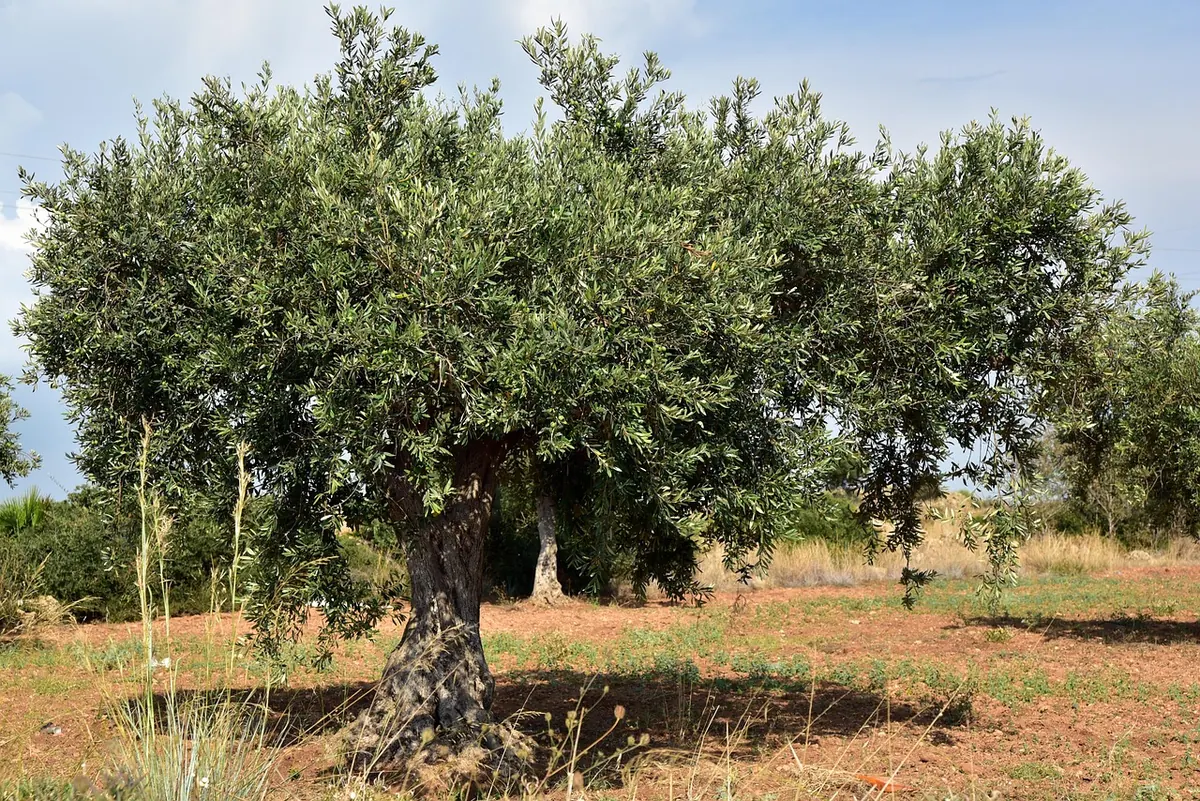
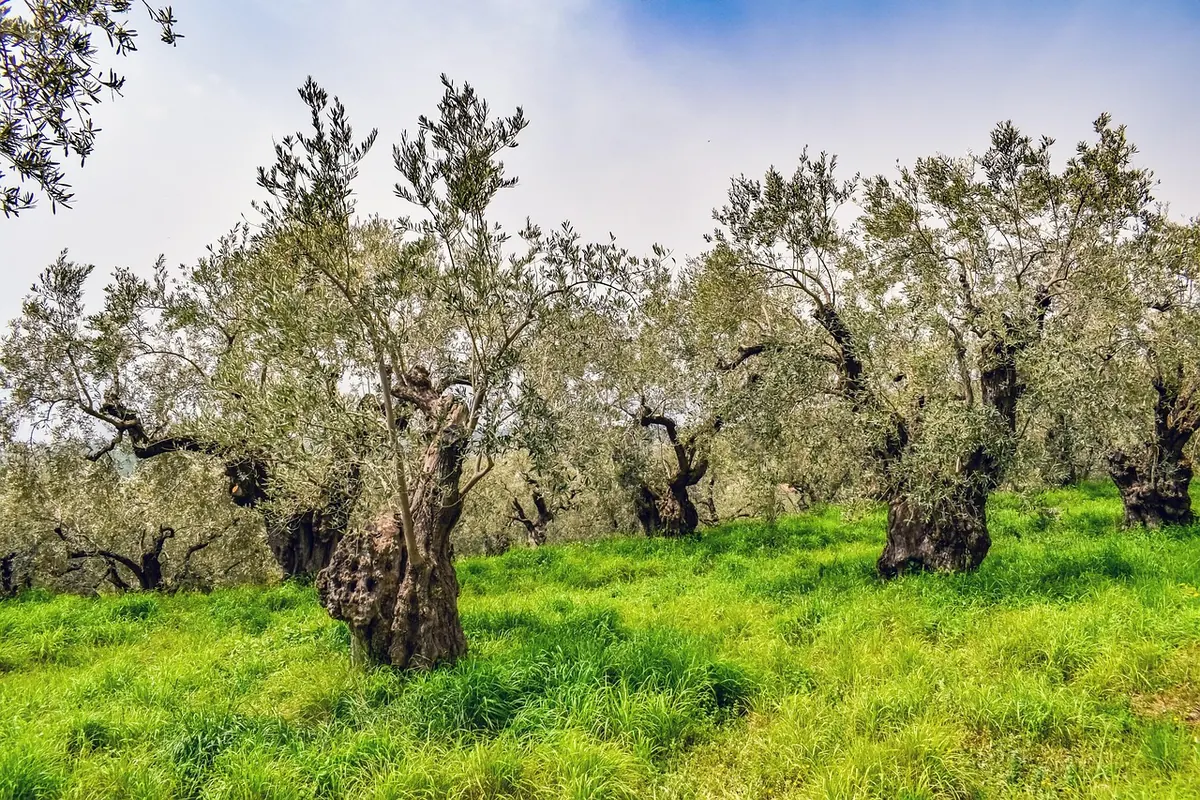
Photo: JillWellington / Pixabay
Single-estate olive oil costs far more than a supermarket bottle, but the difference shows mainly in freshness and...
A region-by-region tasting tour of Italian, Spanish and Greek olive oils, with flavour notes, traditional pairings...
Copyright © 2026 Olive Point. All Right Reserved.